



Introduction to the CCAC Fellows

The California Climate Action Corps (CCAC) is an AmeriCorps program that connects Californians with opportunities to take meaningful action on climate change and strengthen the resilience of communities and natural resources. Through 11-month service terms, Climate Action Corps Fellows are placed with organizations working on environmental and climate-related projects across the state.
At the Contra Costa Resource Conservation District (CCRCD), Fellows become an integral part of the District’s conservation work. Working alongside CCRCD staff and community partners, they gain hands-on experience while supporting projects that protect and restore local watersheds, improve habitat, and connect residents with their natural environment.
Fellows' partnership with the CCRCD
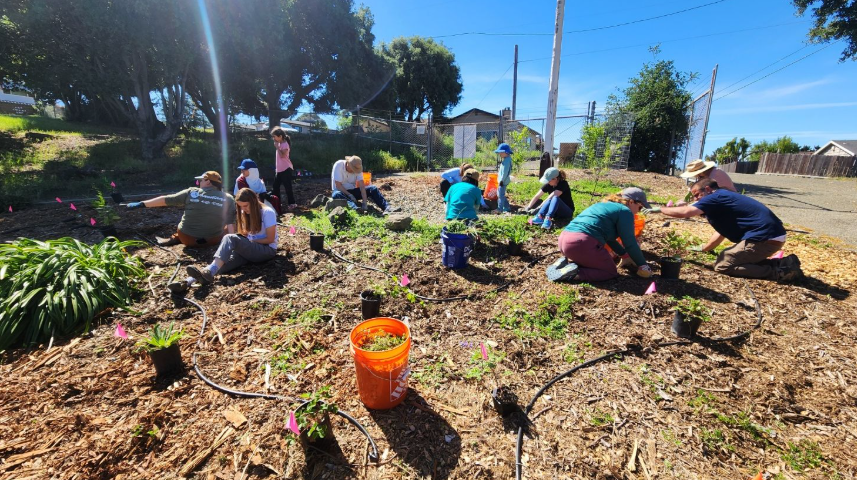
Fellows participate in a variety of field-based conservation activities. Their work can include planting California native species, maintaining habitat, supporting restoration projects, and helping care for community spaces. These experiences allow Fellows to develop practical skills while contributing directly to CCRCD’s mission of promoting responsible stewardship of Contra Costa County’s natural resources.
Their work extends beyond the field. CCRCD Fellows also help engage the public through community events, outreach activities, and environmental education. They may share information with residents at public events or bring environmental lessons into classrooms, helping people of all ages better understand their connection to local ecosystems.
Through their service with CCRCD, Climate Action Corps Fellows gain valuable experience in conservation, environmental education, and community engagement while helping advance projects that benefit both people and the environment. Some of their projects are highlighted below.
Bringing Trout Education Into the Classroom
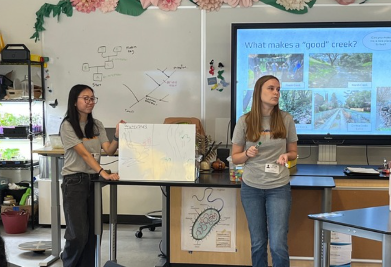
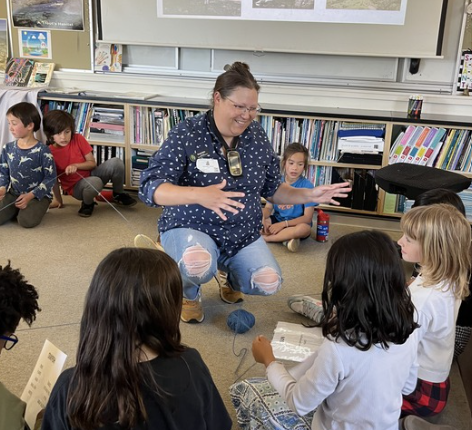
Through their service with the Contra Costa Resource Conservation District (CCRCD), the Fellows brought local ecology and conservation into the classroom through the Trout in the Classroom program. The Fellows developed and taught lessons for two second-grade classes and a high school class, helping students understand the important role trout play within aquatic ecosystems and the health of local waterways.
Each Fellow contributed a different perspective to the curriculum. Kristin Tam introduced students to the trout life cycle, while Amber Milano explored Indigenous stewardship of trout in Contra Costa County. Ryan Schultz examined modern challenges that human activities can create for trout and their habitats, and Miranda Shuba highlighted the interconnectedness of trout, waterways, habitat, and the broader ecosystem.
Our specific population of steelhead trout is considered threatened under the Endangered Species Act. By focusing on trout and the waterways they depend on, the Fellows helped students understand how healthy habitat, clean water, native species, and responsible stewardship are all connected.
For the students, the program offered more than an introduction to trout. It provided an opportunity to explore the natural systems found within their own communities and to learn why protecting local watersheds is important for both wildlife and people. Through environmental education, the Fellows extended CCRCD’s conservation work beyond the field and into the classroom, helping foster the next generation of local environmental stewards.
Growing Community and Habitat at the Laurel Court Garden
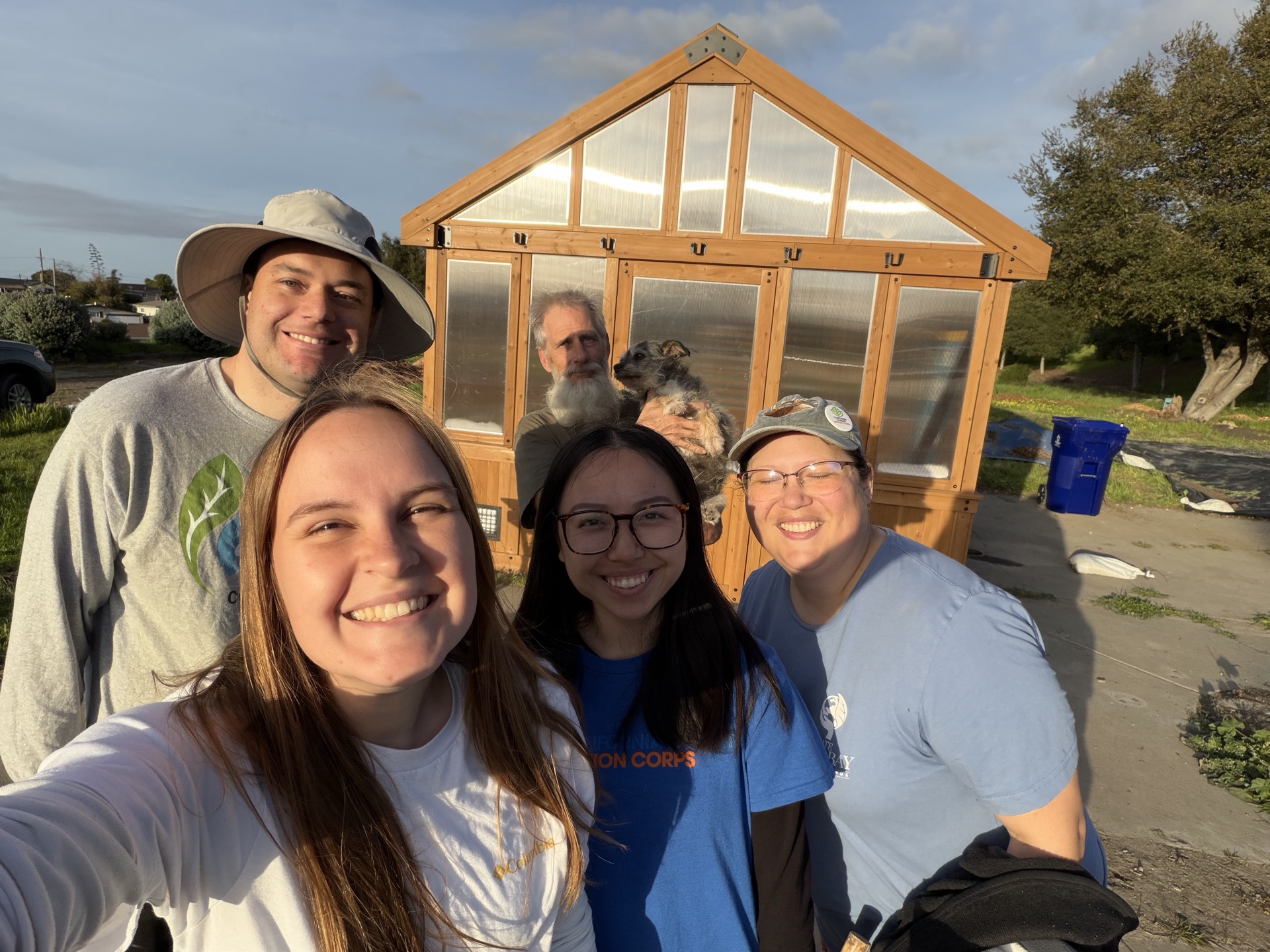
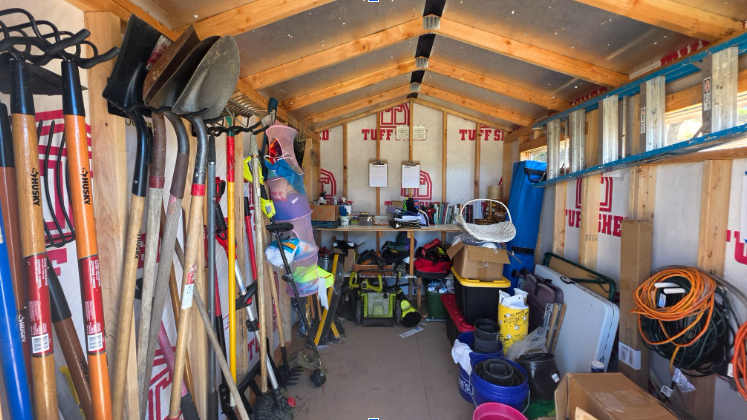
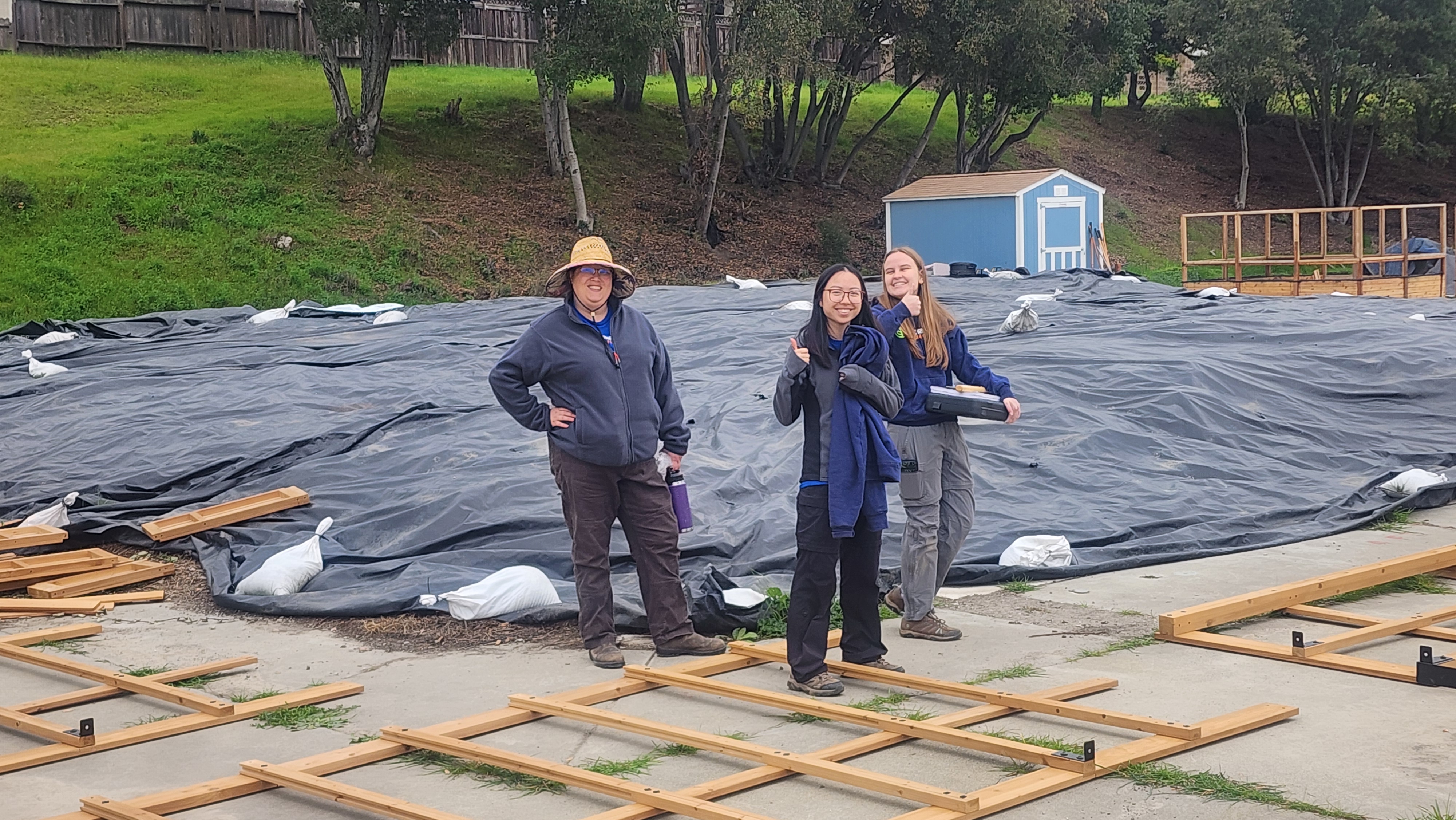
At the Laurel Court Community Garden in Rodeo, the Fellows have helped create a more productive and welcoming space for the community. Over two months, they played a key role in constructing a greenhouse for storing and nurturing plants, with irrigation installed with assistance from CCRCD Agriculture Conservation Coordinator Ishai Cohen.
The Fellows also assembled approximately five garden beds for growing vegetables and organized the garden shed with shelves and racks for tools and supplies.
Fellows Amber Milano, Miranda Shuba, and Kristin Tam also led fellow-led events at the garden, bringing community members together to restore native habitat and support pollinators. Through planning and leading these activities, they gained valuable skills in project management, event coordination, communication, plant design, and plant identification.
Together, these efforts connect food production, native habitat restoration, pollinator conservation, and community engagement while giving the Fellows hands-on experience in environmental stewardship throughout Contra Costa County.
Restoring Habitat at the Pinole Library
Over approximately four months, the Fellows worked with CCRCD Watershed Conservation Coordinator, Evan Green, at the Pinole Library to improve habitat and protect the nearby streambank. Their work included removing invasive ivy, helping stabilize areas vulnerable to erosion, and planting California native species.
By combining invasive plant removal, erosion control, and native plant restoration, the Fellows helped improve the health and resilience of the site. Their work also supports CCRCD’s broader efforts to protect local waterways and restore habitat throughout Contra Costa County.
Connecting with the Community at the Beaver Festival
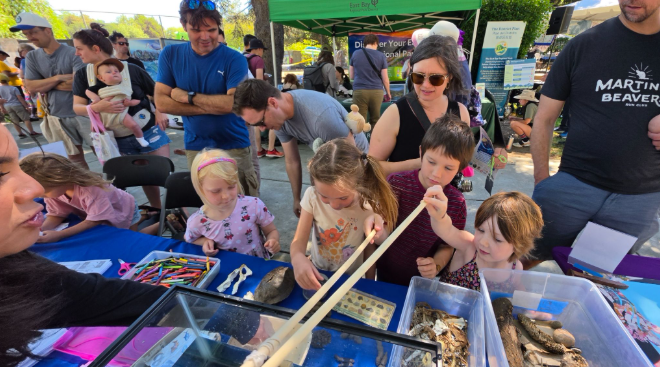
In June 2026, the Martinez Beaver Festival provided the CCRCD and its Fellows with an opportunity to connect with the public and share information about local conservation efforts. The Fellows supported two outreach tables, highlighting CCRCD projects and watershed stewardship throughout Contra Costa County.
Fellow Amber Milano joined the Friends of Alhambra Creek table to discuss the ongoing TEX (Thriving Earth Exchange) project within the Alhambra Creek watershed. The event gave community members an opportunity to learn more about local restoration efforts, the importance of healthy watersheds, and how organizations and residents can work together to support the environment.
Having fun at World Fish Migration Day
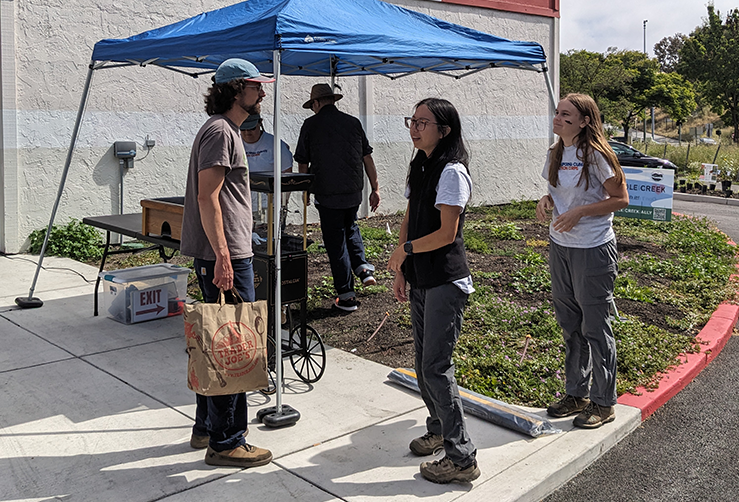
In May 2026, the Fellows represented CCRCD at World Fish Migration Day in Pinole, creating hands-on activities that connected families and children with local waterways and aquatic life.
The Fellows hosted three booths, including a Trout in the Classroom station featuring a fishing game for children. A second booth offered creative activities, where children could make paper fish, decorate tote bags, or create chalk drawings. At the third booth, participants took part in a seed ball workshop, learning how seed balls can be used to help introduce native plants into suitable areas. Participants made their own seed balls using seeds and natural materials to take home and plant.
Through these interactive activities, the Fellows helped make watershed education accessible and engaging for the community while highlighting the connections between healthy waterways, native plants, and wildlife.
Lessons on Pollinators at Oakley Science Day
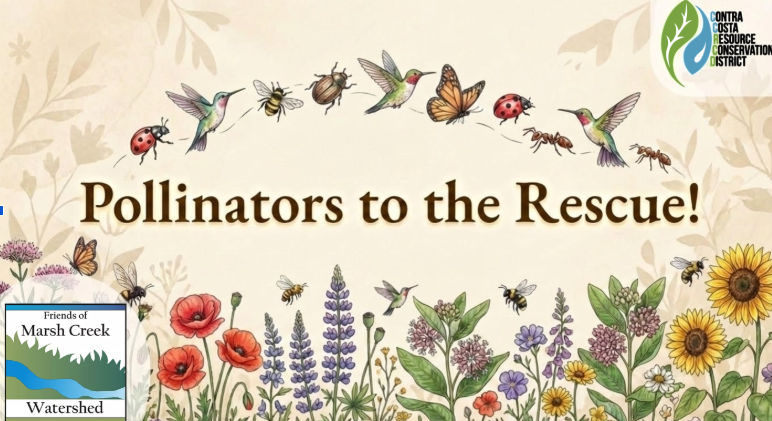
In January 2026, the Fellows represented the Friends of Marsh Creek Watershed at Oakley Science Day, a free community event offering children in Pre-K through eighth grade hands-on activities, STEM demonstrations, and presentations from local organizations.
The Fellows hosted an outreach table and presented a family-friendly lesson on pollinators, explaining their important role in healthy ecosystems and food production. The event gave the Fellows an opportunity to engage children and parents while encouraging greater awareness of the wildlife and natural systems found throughout Contra Costa County.
Through events like Oakley Science Day, the Fellows help bring environmental education directly into local communities and inspire the next generation of environmental stewards.
Restoring Native Habitat in the Walnut Creek Watershed

The Fellows contributed to native habitat restoration at several locations within the Walnut Creek watershed. In December 2025, they worked with approximately 30 volunteers at Hillcrest Park to plant nearly 1,200 Santa Barbara sedge and California brome plants, helping establish native vegetation within the park.
In January 2026, the Fellows and CCRCD EcoStewards continued restoration efforts at the Walnut Creek Library, planting approximately 500 California fescue plants. Although the young plants were small, their installation represents an important step toward establishing native habitat and strengthening the local watershed.
The Fellows also joined CCRCD staff and volunteers at additional planting sites throughout the watershed. These projects provided hands-on restoration experience while helping CCRCD improve habitat and promote native plant communities across Contra Costa County.
Protecting Alhambra Creek Through the TEX Project
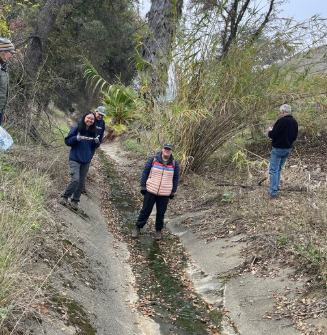
Within the Alhambra Creek watershed, the Fellows are supporting the Thriving Earth Exchange (TEX) project, an effort focused on identifying and addressing erosion throughout the Martinez area.
To locate areas where the creek has experienced erosion, the Fellows compared aerial photographs from 20–30 years ago with current conditions and visited the sites in person. This combination of historical imagery and field observations helps identify areas where the creek and surrounding habitat have changed over time.
The Fellows also assessed the extent of invasive Arundo, a fast-growing plant that can impact waterways and native habitat. Documenting its presence will help inform future removal efforts within the watershed.
Through the TEX project, the Fellows are gaining hands-on experience in watershed assessment while contributing information that can help guide future erosion control and habitat restoration efforts in the Alhambra Creek watershed.
Supporting Stewardship Along Marsh Creek

Within the Marsh Creek watershed, the Fellows support ongoing stewardship and community engagement alongside the Friends of Marsh Creek. Fellow Ryan Schultz regularly participates in garden workdays at the Brentwood demonstration garden, helping organize volunteers, provide tools, and coordinate work. Volunteers take part in activities including planting, weeding, moving logs to create garden borders, and monitoring plant growth.
The Fellows have also helped assess signage along the Marsh Creek Trail in Oakley. Using a survey developed by Fellow Miranda Shuba, they evaluated approximately 110 signs, documenting their condition and identifying whether each was in good shape, required maintenance, or needed replacement.
The signs were organized into categories including directional, regulatory, interpretive and educational, safety warning, restoration, and general information. This assessment provides a useful record of trail conditions and helps identify future maintenance needs along the Marsh Creek corridor.
CCAC Fellows Photo Gallery
CCAC Fellows team
Amber Milano
Skills: Habitat Stewardship, Environmental Law and Policy, Community-Building, Community Outreach
Fun Fact: Avid hiker and backpacker, loves reading fantasy/sci-fi novels, and spends hours searching for the perfect thrift finds. My dream is to visit all of the US National Parks!
Amber Milano
Amber was practically raised in the outdoors and has hiked/backpacked all over the state of California from the coast of Point Reyes, to the Sierras, to the magnificent redwoods, and even the compelling rock formations of Joshua Tree. This instilled her with a sense of stewardship of the land of California that informed both her career path and her life’s purpose.
Amber graduated from San Francisco State with a BS in Environmental Studies: Concentration in Natural Resource Management/Conservation and earned the school’s Climate Change Certificate. During her time in school she was very involved in the community as a community-building volunteer for a climate education focused on-campus organization. She also was an environmental justice policy research assistant where she helped analyze the relationships between environmental justice nonprofits and environmental laws in California.
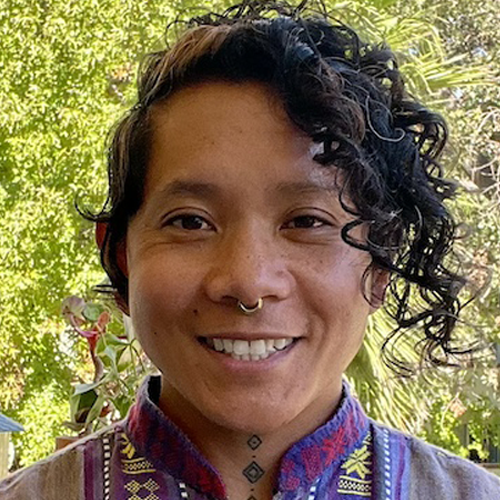
Koa Baylosis
Koa Baylosis
Shaped by life from Virginia Beach to Hawaii to Colorado, Koa joins CCRCD as a California Climate Action Corps Fellow with a background rooted in outdoor leadership and healthcare. Having recently completed their Doctorate in Acupuncture and currently studying for licensure, Koa has spent the last decade tending private native gardens, witnessing firsthand how intentional landscapes invite wildlife back into urban spaces.
Now, they aim to deepen this work with CCRCD by applying a trauma-informed lens to scale urban greening efforts. They believe creating spaces where communities can breathe, heal, and take ownership is the key to connecting residents and wildlife in shared protection. Koa is eager to bring this vision to California's watersheds, natural resources, and communities.
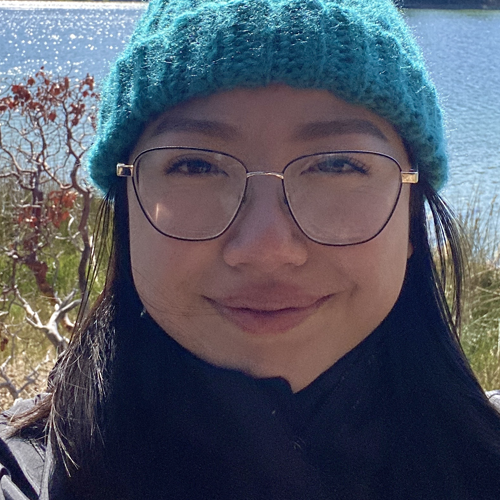
Kristin Tam
Skills: Horticulture, plant identification, invasive plant removal, landscape design, bird and herpetofauna surveys, fish and otolith identification, bird nest box monitoring.
Fun Fact: Loves traveling, gardening, crocheting, pottery, camping with friends and family, and aspiring to be a birder.
Kristin Tam
Kristin grew up in San Francisco and frequently visited national parks and nature, where she developed her love for wildlife and plants. She graduated from UC Davis with a B.S. in Biological Sciences and a minor in Wildlife, Fish, and Conservation Biology.
During her undergrad, she was a Sustainable Horticulture Intern with the UC Davis Arboretum and Public Garden, where she collaborated with peers to design and implement environmentally sustainable landscapes across campus, focusing on drought-tolerant and pollinator-friendly plants. After graduation, Kristin interned with the University of Minnesota, helping to maintain their plant biodiversity experiments, collect data, and learned to identify over 30 plant species. Here, she also conducted an independent research project on herpetofauna diversity. Before joining CCRCD, she volunteered with SFBBO, conducting Least Tern Surveys, and with Point Blue's marine lab, assisting with marine predator diet studies.
Kristin is passionate about habitat restoration, conservation, and finding ways to mitigate the impacts of climate change. She is excited to learn and grow as a California Climate Action Corps fellow with CCRCD.
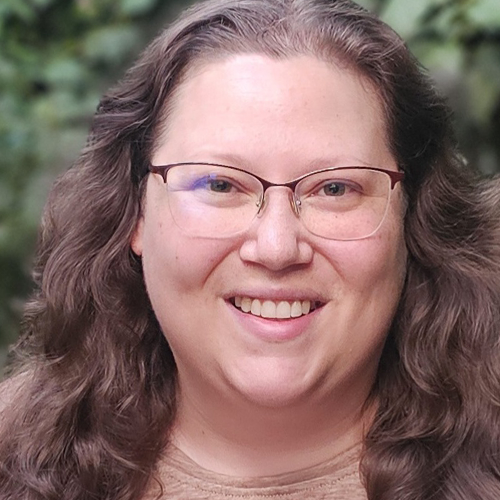
Miranda Shuba
Skills: Field data collection, CA wildlife and plant identification, nature-based interpretation, basic wildfire/prescribed burns training, water quality testing, plant and soil analyses.
Fun Fact: I love to crochet stuffed animals, walk through nature, stand-up paddle board (working on the “stand-up” part), collect Bauer pottery, garden, travel, and treat myself to sushi!
Miranda Shuba
As a Bay Area native born in Redwood City and raised in Oakley, Miranda developed a deep appreciation for nature early on, inspired by redwood forests, wetlands, and Yosemite. This wonderment motivated her interest in studying the environment in hopes of making a positive impact. She transferred from Los Medanos College to UC Davis, earning a B.S. in Ecological Management and Restoration with a minor in Wildlife, Fish, and Conservation Biology in December 2024.
She has gained hands-on experience as an intern at Delta Diablo Sanitation District, interpretive student aide with the East Bay Regional Park District, ecological land management intern with the UC Davis Arboretum, and lab assistant in Professor Jennifer Funk’s functional ecology lab.
Driven by a fascination with ecology, plant physiology, and evolution, Miranda is especially passionate about restoring ecosystems to support natural processes in a rapidly changing climate. As a member of the California Climate Action Corps, she is excited to partner with the Contra Costa Resource Conservation District to provide support to community members and inspire others to connect with and nurture the environment.
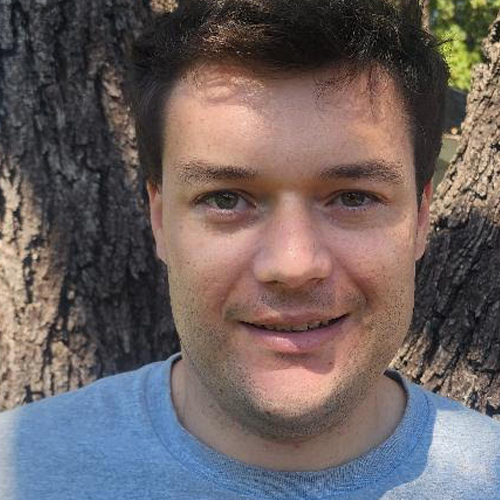
Ryan Schultz
Skills: Report writing, critical thinking, public speaking, Microsoft Office, gardening, habitat restoration.
Fun Fact: Eager hiker and walker, fan of botanical gardens, reader of various types of books, supporter of the Golden State Warriors, photographer of nature.
Ryan Schultz
Ryan has frequently hiked in the Bay Area and other places in Northern California and the western US. In addition, Ryan volunteered at the Bancroft Gardens in Walnut Creek before finishing college. His enthusiasm for being outdoors has led to Ryan’s desire to help improve the environment.
Ryan graduated from Cal StateUniversity, East Bay with a BS in Geography, with a concentration in Resources and Sustainability and a minor in Environmental Studies. His senior project was to assist the college in submitting a sustainability report, where he focused on water usage on campus. A second project was part of a team writing a practice Draft Environmental Impact Report (DEIR) covering Point Molate and its conversion from a former US naval property into an East Bay Park. In addition, Ryan interned with the RCD prior to his fellowship with them and helped with irrigation projects and community clean up events.